
Research alone cannot guarantee policy change. It can, however, give communities evidence to support their demands and hold public institutions accountable. In Vallejo, that means helping Black tenants build the collective power necessary to stop unjust displacement.
By Anteeniya Bell
“It is a peculiar sensation, this double-consciousness, this sense of always looking at one’s self through the eyes of others, of measuring one’s soul by the tape of a world that looks on in amused contempt and pity. One ever feels his two-ness,-an American, a Negro; two souls, two thoughts, two unreconciled strivings; two warring ideals in one dark body whose dogged strength keeps it from being torn asunder.”
W.E.B. DuBois, The Souls of Black Folks (1903)
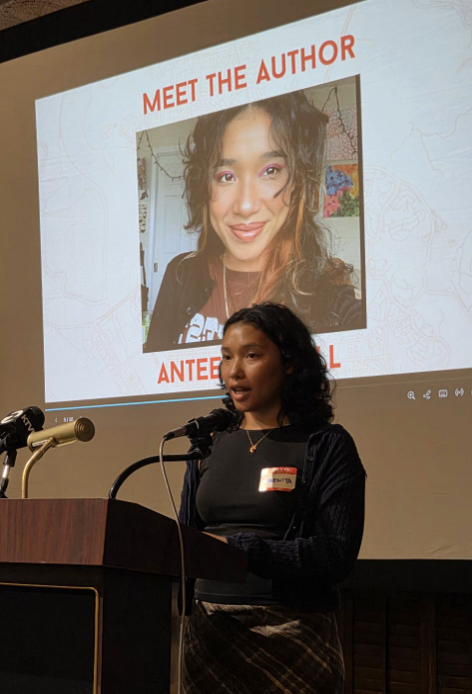
Figure 1: Beginning of Bell’s presentation of findings from The Right to Thrive report (Source: Chris Schildt)
I, along with my colleagues at The Vallejo Housing Justice Coalition and Urban Habitat published The Right to Thrive: Tenant-Led Housing Justice in Vallejo, CA in July 2026. The report is a community-driven examination of housing, health, and economic well-being in Vallejo, California in which we document renters’ experiences and advance policy recommendations to establish tenant protections.
Producing this report has pushed me to confront broader questions about my responsibilities as a researcher and planner. What does it mean to practice “research justice” when the communities most affected by housing injustice are still waiting for meaningful policy change? How do we build multiracial coalitions that confront, rather than reproduce, anti-Blackness? And what obligations do we have to communities whose experiences inform our work?
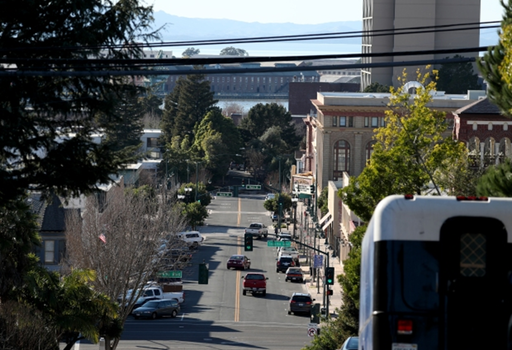
Figure 2: View of Downtown Vallejo (Source: City of Vallejo)
In 2001, the New York Times dubbed Vallejo, California as one of the most racially diverse cities in the nation, reflecting its history as a central maritime, industrial, and agricultural hub on the outskirts of the San Francisco Bay Area. Today, Vallejo remains the largest city in Solano County, yet it is often overlooked in regional conversations about housing affordability.
Despite the perception that Vallejo offers accessible homeownership for low-income families and communities of color, its renters face rising housing costs, deteriorating living conditions, and limited legal protections against eviction and landlord harassment. More than 55% of Vallejo households are renters, and the city has one of the Bay Area’s largest proportions of Black renters. Meanwhile, local efforts to establish stronger tenant protections have faced roadblocks, namely the delayed housing element.
These challenges are inseparable from Vallejo’s history of segregation, disinvestment, and racial inequity. Understanding the city’s housing crisis requires examining not only the availability of affordable homes, but also how land, wealth, and political power have been distributed.
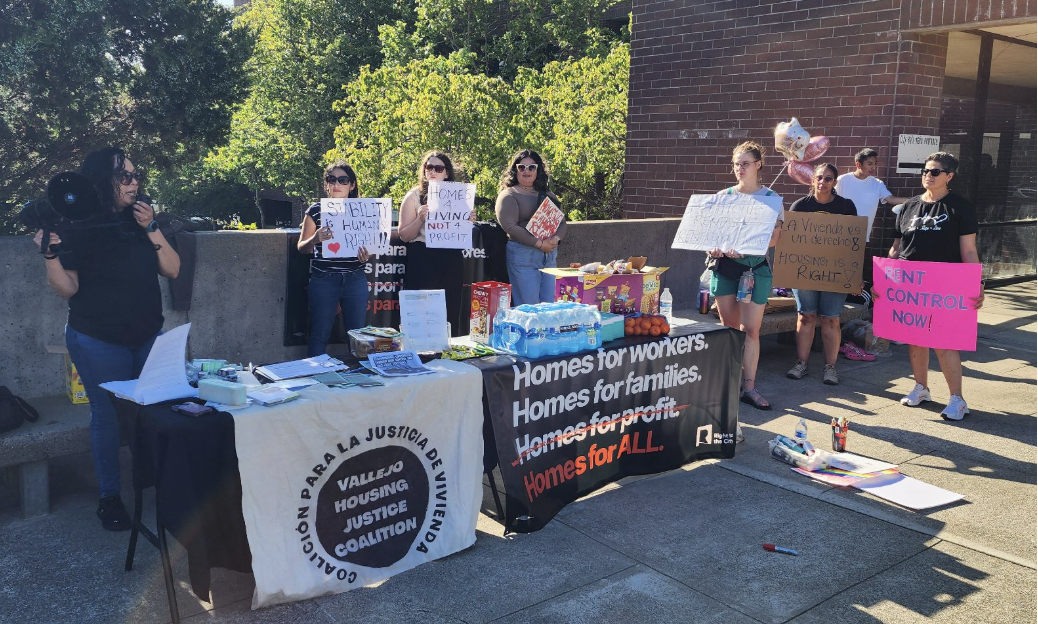
Figure 3: VHJC rally at Vallejo John F. Kennedy Library (Source: Chris Schildt)
My work as a planner and researcher has centered on investigating anti-Blackness in the built environment. Vallejo, a city with rich cultural diversity and a history of labor organizing, has relatively little research dedicated to its housing policies and the planning decisions that continue to shape residents’ lives. I felt a responsibility to fill that gap – not to speak for Vallejo residents – but to help document what they were experiencing and what they wanted to change. My method and practice is largely shaped by the Black feminist tradition of “bearing witness” as a form of truth-speaking and counterstorytelling in the face of racial and structural violence.
My talent is writing and research, and in the words of Toni Morrison, “If there’s a book you want to read, but it hasn’t been written yet, then you must write it.” For me, that meant putting my pen and keyboard to work.
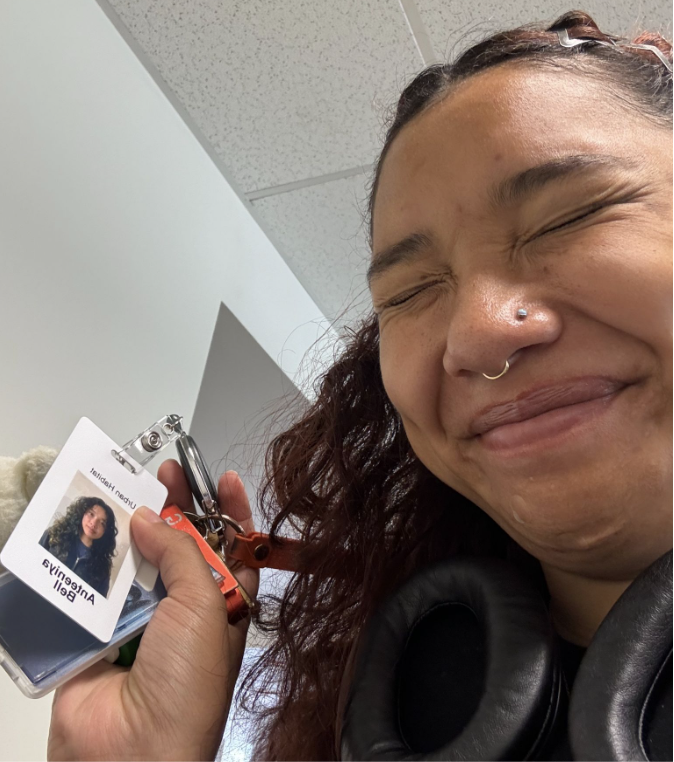
Figure 3: Bell’s first day of Urban Habitat internship with staff badge (Source: Author)
I started working on this project as part of my graduate school internship with Urban Habitat and VHJC during the summer of 2024, where I served as their Housing Justice Intern. My first task was to analyze the Vallejo Tenant Survey, which collected 319 responses from the fall of 2023 to the summer of 2024. The survey served as the first grassroots effort to collect renters’ experiences, concerns, and priorities in a city where localized housing data has historically been limited. Collecting data that is localized and specific to Vallejo is key to these efforts, as it is an underrepresented, underfunded, and underresearched city in the greater Bay Area.
We found that 3 out of 4 respondents were in support of tenant protections across the board, renters and homeowners alike. We also learned some hard truths that fueled our organizational work. Renters reported up to 19% annual rent increases, amounting to hundreds of dollars a month, and 40% of renters surveyed reported pests, mold, mildew, or plumbing problems their landlords refuse to fix.
The second half of my internship focused on Vallejo’s housing history. I examined the city’s development during the Spanish colonial period, racial discrimination and redlining in early housing policies, the impacts of urban renewal and the freeway construction of I-80, predatory lending and housing foreclosures in the early 2000s, and the dominance of single-family zoning today, which constricts land available for multi-family housing. Together, these histories helped contextualize the conditions facing renters today and demonstrated how present-day housing inequities are connected to decades of policy decisions.
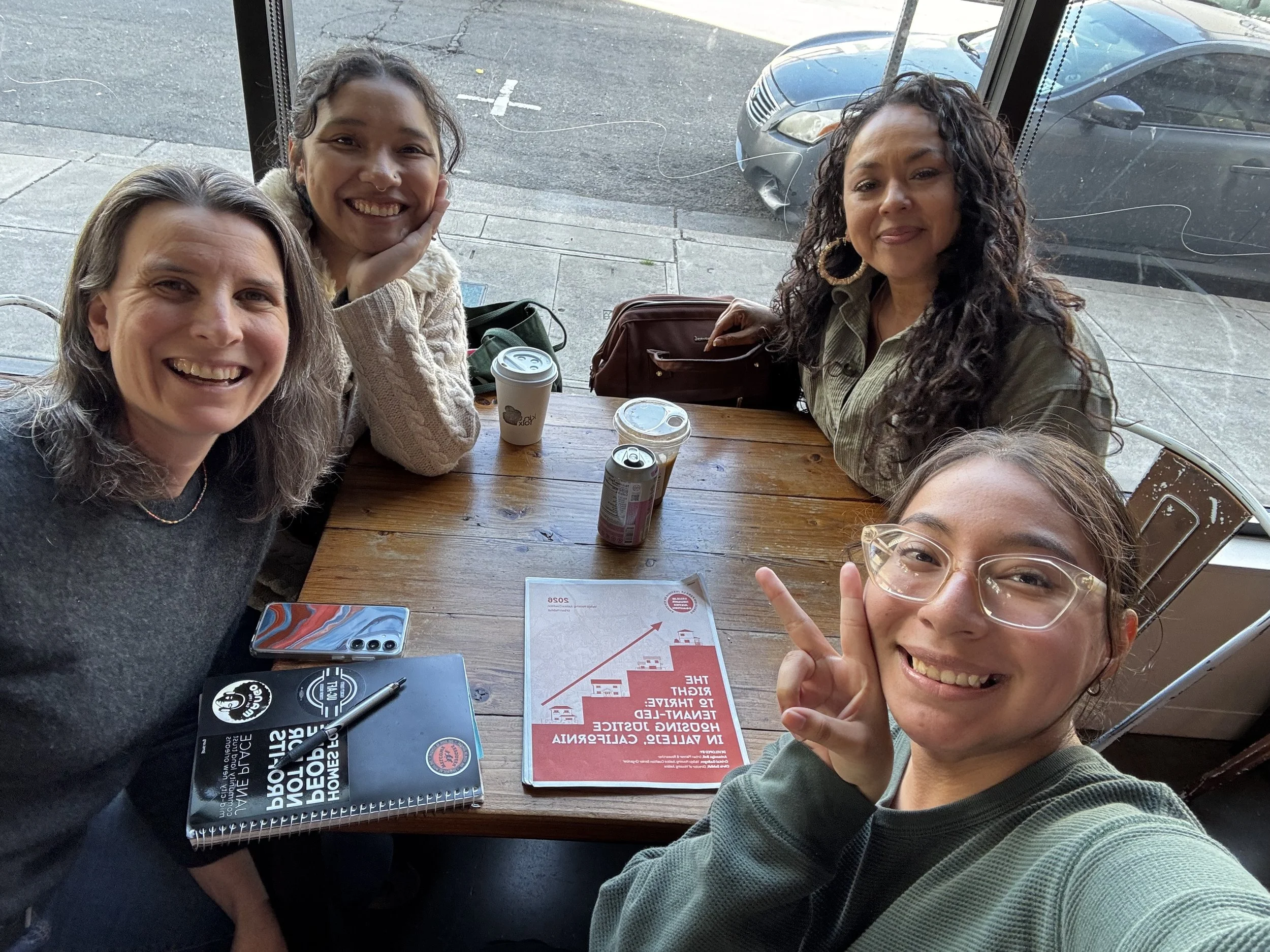
Figure 4: The Right to Thrive research team in final review meeting at Kinfolx, Downtown Oakland (Source: Katia Elisea Escobar)
This initial research became the foundation for my Master’s capstone project and, later, would become a published housing report in July 2026. Our research team’s goal was never simply to produce another report about housing. We wanted to create a resource that tenants and community organizers could use to advocate for meaningful change, including rent stabilization, just cause eviction protections, and laws against landlord harassment and retaliation. This is especially important as this is an election year for Vallejo.
At the report’s community presentation in August 2026, I saw what this principle could look like in practice. As Black women tenant leaders shared their experiences of displacement and their hopes for Vallejo, the connections between the report’s findings and their lived realities were unmistakable. The research did not validate their stories: their stories and knowledge were fundamental to understanding the research in the first place.
Our research team identified early on that building a multiracial coalition was essential to strengthening renters’ collective bargaining power and expanding their knowledge of legal housing education. But given Vallejo’s history of segregation, we also recognized that tenant organizing must actively confront anti-Blackness. Building solidarity requires acknowledging how race shapes housing access, displacement, and whose needs are prioritized in public policy. Vallejo will not be able to thrive unless it can contend with these realities, historic and contemporary.
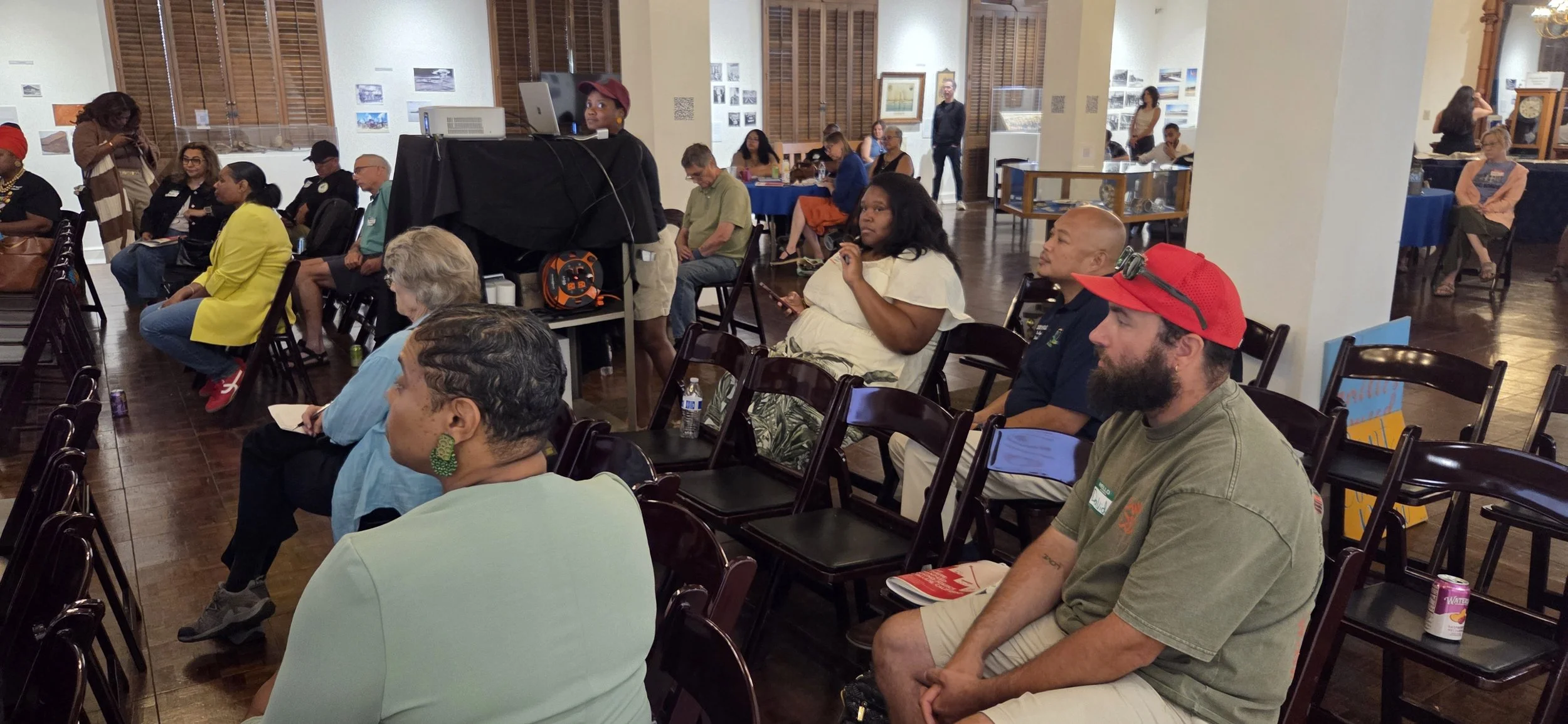
Figure 5: Community members, city officials, and tenant organizers at The Right to Thrive report community presentation (Source: Chris Schildt)
As a Black researcher in urban planning, I felt compelled to examine how wealth and political power are accumulated in Vallejo. Who owns the land? How do patterns of homeownership, private investment, and property values shape disparities in wealth and power? A 2023 study of Bay Area elected officials who own rental properties found that former Vallejo Mayor Robert McConnell owned more rental properties than any other elected official surveyed, with approximately 12 properties generating between $120,000-$1,200,000 annually. These findings underscore the importance of examining the relationship between property ownership, political representation, and housing policy.
But documenting inequality is only part of the work. Since our report’s publication, Vallejo’s efforts to advance tenant protections have continued to face delays. Despite sustained advocacy from VHJC and its partners, renters are still waiting for stronger protections against displacement, excessive rent increases, and landlord harassment – on top of rising gas prices, cost of groceries, hyper-policing, and political unrest impacting their everyday lives.
Research alone cannot guarantee policy change. It can, however, give communities evidence to support their demands, identify shared priorities, and hold public institutions accountable. In Vallejo, that means connecting research to tenant organizing, policy advocacy, and collective action. Renters have concrete ways to build power and fight against housing injustice: from pushing local ballot measures and rent stabilization ordinances to forming tenant associations and developing landlord databases. Door-knocking and signature gathering are one of the key ways VHJC mobilizes Vallejo neighborhoods to push for policies that protect tenants and pursue community-controlled housing.
These strategies require more technical planning expertise. They require trust, sustained organizing, and a willingness to recognize residents as experts in their own communities. They also require planners to ask whose interests our work ultimately serves, and for us to remain accountable to the people most affected by the decisions we study and help shape. Planning is personal.
As a Black planner, I carry an acute awareness of how the built environment reflects histories of racial violence and exclusion. But confronting these histories is not solely the responsibility of Black planners or planners of color. The planning profession as a whole must challenge anti-Blackness, question existing distributions of power, and support communities seeking meaningful change. We should ask why W.E.B Du Bois has been excluded from the planning history canon despite contributing significantly to urban history, data visualizations methods, and spatial analyses of American urban life? These are the legacies of exclusion we have to contend with, amend, and platform both in our education and in our practice.
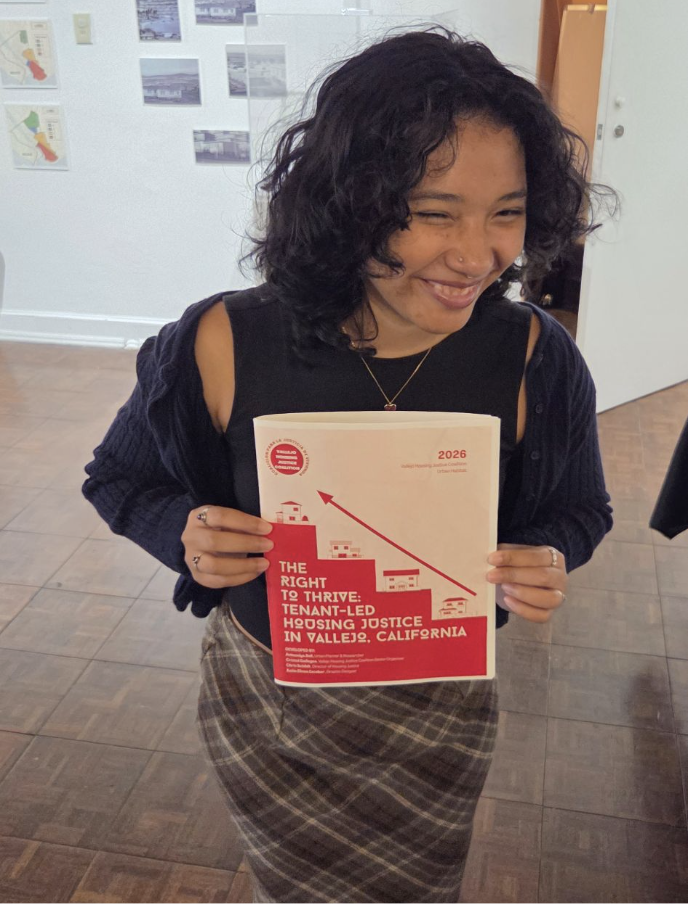
Figure 6: Bell with physical copy of The Right to Thrive report (Source: Chris Schildt)
I began the Right to Thrive project because I believed that Vallejo deserved research that centered its renters’ experiences. I continue to believe this. But I have also learned that research justice means more than documenting injustice: it means helping communities build the power to change it. Our responsibility is not to claim ownership over residents’ stories, but to help make their priorities visible and support their efforts to put those priorities into action.
Ultimately, my goal is not simply to create a more equitable housing system on paper. It is to build a future where Vallejo residents can remain in their communities, live with dignity, and shape the policies that affect their lives. If planning is to serve “the public”, our work must do more than explain why certain groups are being displaced. It must help build the collective power necessary to stop it.
ANTEENIYA BELL (they/she) is an urban planner and researcher dedicated to investigating the pervasiveness of anti-Blackness within the built environment. The Right to Thrive report is a community-driven examination of housing, health, and economic well-being for low-income families and renters of color in Vallejo, CA.
Learn more about the growing movement for tenant-led housing justice in Vallejo at vallejohousingjustice.org.
